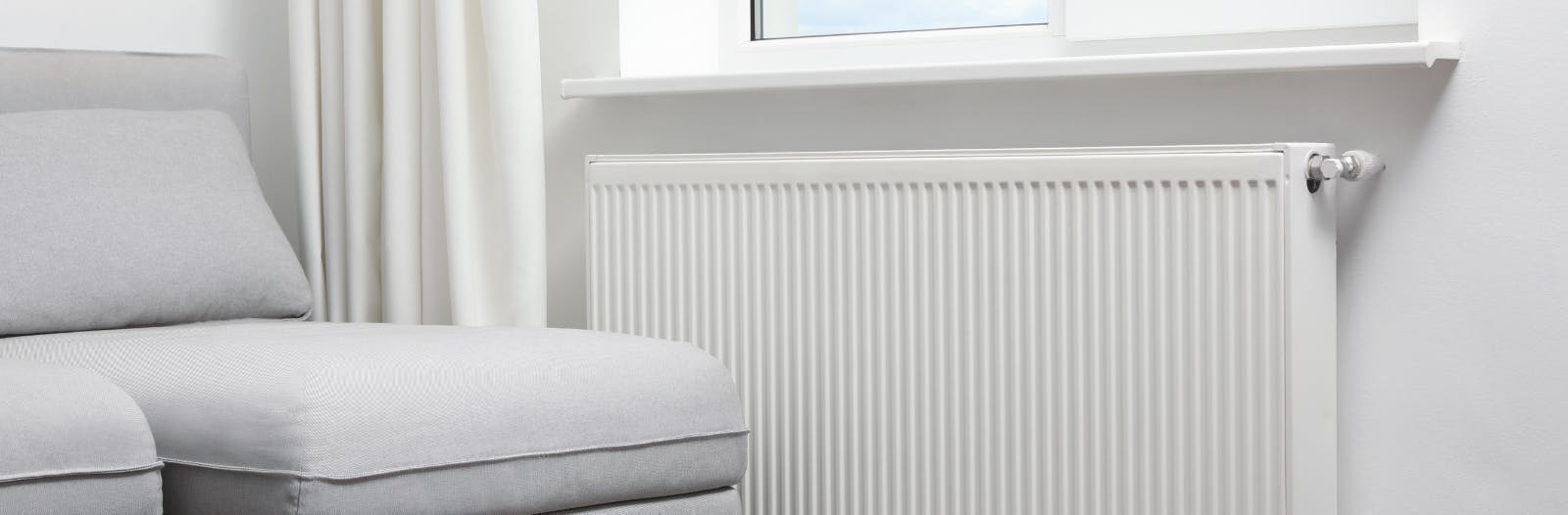
If your radiator is hot at the bottom but stubbornly cold at the top, it is usually trying to tell you something about your heating system. The good news is that in many cases you can fix it yourself in a few minutes with a simple radiator bleed.
What a radiator that is cold at the top usually means
The most common cause of a radiator that is cold at the top and hot at the bottom is trapped air. Air rises to the highest point in the radiator and sits there, stopping hot water from circulating properly through the top section.
You will often notice this on radiators that have not been bled for a while, or after work has been done on the heating system. You might also hear gurgling sounds in the pipes when the heating comes on, which is another sign of air in the system.
In most homes, carefully bleeding the radiator is enough to release the air and restore even heat across the whole panel.
Less common causes you should know about
Although trapped air is by far the usual suspect, there are a few other issues that can create similar symptoms. These are less common but worth keeping in mind, especially if bleeding does not help.
System imbalance: Some radiators may be getting too much flow, while others are starved of hot water.
Circulation issues: A weak or failing pump can mean radiators do not heat evenly.
Sludge build up: Rust and debris can settle in radiators and pipework, restricting flow.
Partially closed valves: If a valve has been knocked or adjusted, it can reduce heat at the top.
These problems usually affect several radiators or cause more random cold spots, rather than just the top portion of a single radiator.
How to bleed a radiator safely: step by step
Bleeding a radiator is one of the simplest bits of heating maintenance you can do, but it needs to be done carefully. Follow this beginner friendly process to keep things safe and tidy.
1. Turn your heating off and let radiators cool
Always bleed radiators when the heating is off and the system has had time to cool. Bleeding while hot can release very hot water and steam, which is dangerous and can damage your decor.
Wait at least 30 minutes after switching the heating off so the system pressure can settle and the water temperature drops.
2. Protect your flooring and get the right tools
Place an old towel or tray under the radiator valve you will be bleeding to catch any drips. Heating system water can be discoloured and may stain carpets or floors.
You will need:
A radiator key that fits your bleed valve
A cloth or small container to catch water
Access to your boiler pressure gauge for later
3. Locate the bleed valve
The bleed valve is usually a small square or slot fitting on the side or top of the radiator, opposite the manual or thermostatic control valve. It may be covered with a plastic cap that you gently pull off first.
Position your cloth or container directly under the valve so you are ready for any water that comes out.
4. Open the valve slowly and listen
Insert the radiator key onto the bleed valve and turn it slowly anti clockwise, just a quarter to half a turn. You should hear a clear hissing sound as air escapes.
Do not fully unscrew the valve. It only needs a small turn to open, and over loosening can cause the valve to pop out and leak.
5. Close the valve when water appears
Keep the valve open until the hissing stops and a steady trickle of water appears. This means the trapped air has gone and water has reached the top of the radiator again.
Once you see a smooth stream of water, turn the key clockwise to close the valve firmly, but do not overtighten. Wipe away any drips with your cloth.
6. Check and top up your boiler pressure
Bleeding radiators releases air and a small amount of water, which can drop your system pressure. After bleeding one or more radiators, go to your boiler and check the pressure gauge.
Most domestic systems should sit around 1.0 to 1.5 bar when cold. If the pressure has dropped below the recommended level, use the filling loop (usually a small tap or lever under the boiler) to top it back up. Always follow your boiler manual for the exact process.
Once done, turn the heating back on and check that the radiator now heats evenly from top to bottom.
When bleeding does not fix the cold top
If you have bled the radiator correctly and it is still cold at the top, or the issue keeps coming back, there may be a deeper problem with the system. Pay attention to any extra signs alongside the cold radiator.
Signs that you need a professional to investigate include several radiators affected, recurring air every few days, loud gurgling noises, cold spots that seem to move around, or boiler pressure that keeps dropping for no clear reason.
These can point to issues such as a leak somewhere in the system, a faulty expansion vessel in the boiler, or heavy sludge and corrosion that needs flushing out. These are not DIY jobs and are best handled by a qualified heating engineer.
Common mistakes to avoid when bleeding radiators
Bleeding is simple, but a few common errors can turn an easy job into a bigger headache. Being aware of them will help you avoid damage or messy clean ups.
One of the biggest mistakes is bleeding while the system is hot and under high pressure, which can send hot water spraying out. Always allow time for the system to cool before you start.
Another frequent error is over loosening the bleed valve. It only needs a slight turn to open. Fully undoing it can cause it to come out entirely and leak, which may mean you need a new valve fitting.
Finally, many people forget to check and top up the boiler pressure afterwards. Running the system with low pressure can cause more heating problems and may even shut the boiler down.
Need help with persistent radiator or boiler issues?
If your radiators are still cold at the top after bleeding, or you suspect problems such as sludge, leaks or a failing component, it is safer to get a professional involved. Long term circulation issues can shorten the life of your boiler and increase your energy bills.
For friendly expert help with boiler servicing and repairs, contact Fixbot on 01234815101. A qualified engineer can diagnose the root cause, get your system running efficiently again, and give you peace of mind through the colder months.