Boiler pressure that keeps dropping is more than just an annoyance; it is your system telling you something is not quite right. Knowing what the pressure gauge should show, what you can safely check yourself, and when to stop and call a professional can save you time, stress and money.
Understanding boiler pressure and the gauge
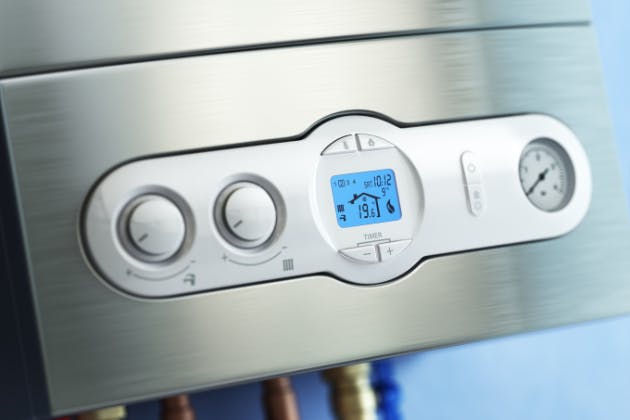
On most modern combi and system boilers, the pressure gauge sits on the front panel or just underneath. When the system is cold, the typical safe range is usually around 1.0 to 1.5 bar, and often up to around 2.0 bar when hot, but you should always check your boiler manual for the correct range.
If the pressure is too low, the boiler may lock out and stop heating. If it is too high, safety devices will try to protect the system, which can also cause problems. A slow, occasional drop over many months can be normal, but regular topping up or sudden drops point to an issue.
When to stop and call a Gas Safe engineer
Some warning signs mean you should stop trying to fix the problem yourself and contact a Gas Safe registered engineer straight away. Safety should always come before DIY troubleshooting.
Fast pressure loss, for example dropping from normal to zero in a few hours
Visible water leaks from the boiler casing or pipework you cannot safely isolate
Persistent boiler error codes that you cannot clear with the reset button
Needing to top up the pressure more than once a month, or every few days
Any burning smells, banging noises or signs of overheating
If you see any of these issues, do not keep repressurising the boiler. Shut the system down and arrange a professional visit.
Common causes of dropping boiler pressure
There are several typical reasons central heating systems lose pressure. Some are minor and easy to spot, while others need proper diagnostic testing with specialist tools.
Small leaks in radiators and pipework
One of the most frequent causes is tiny leaks on radiator valves, bleed points or copper pipe joints. These can be so small that water evaporates as it escapes, so you may not notice obvious puddles.
Check around radiator valves, especially where the valve meets the pipe and where it joins the radiator. Look for green or white crusty marks on copper, staining on walls, or damp patches on carpets and skirting boards.
Faulty pressure relief valve and discharge pipe
The pressure relief valve (PRV) is a safety component that releases water if the system pressure gets too high. It usually connects to a copper discharge pipe that exits outside, often pointing down towards the ground.
If the PRV is passing slightly, water can drip from this pipe, causing ongoing pressure loss. With the boiler safely running, check outside for a small copper pipe; if you see regular dripping or staining below it, the PRV or underlying system pressure issue needs attention from an engineer.
Expansion vessel problems
Your boiler or system will have an expansion vessel to absorb the expansion of water as it heats up. Inside is a rubber diaphragm that can lose air pressure over time or split completely.
When this happens, pressure can swing between very low when cold and very high when hot, which often leads to the PRV activating. Recharging or replacing an expansion vessel is a job for a qualified heating engineer.
Recently bled radiators
If you have bled air from your radiators recently, a pressure drop is expected. Letting air out also lets system pressure fall, so you usually need to top up after bleeding.
If you forget to repressurise, the boiler may show a low-pressure fault and stop working until you bring it back into the recommended range.
Filling loop left slightly open
The filling loop is the flexible or rigid pipe that connects your boiler to the mains water supply for topping up pressure. It should be fully closed when not in use.
If one of the valves is left slightly open, pressure can creep up when the system is off, then discharge through the PRV, leading to cycles of high and low pressure. Check that both filling loop valves are fully closed and the loop is left in the position your manual specifies.
Homeowner-safe checks before you call
There are a few sensible checks you can carry out without taking the boiler apart or touching gas components. If in doubt, stop and seek professional advice.
Look for signs of leaks
Walk around the property and inspect visible pipework, radiators and towel rails. Feel the carpet near radiator pipes and look at ceilings below upstairs radiators for damp patches or staining.
Even a small amount of rust on radiator feet or light brown marks on walls can suggest a slow leak. Note any locations you are unsure about so you can show your engineer later.
Check radiators and valves
Make sure radiator bleed valves are fully closed. If you have recently used a bleed key, twist gently clockwise until snug, but do not overtighten.
Look at the valve tails where they join the radiators and at any compression joints on visible pipes. If a valve is obviously leaking, place a tray or towel underneath and arrange a repair rather than continually topping up the system.
Inspect the external discharge pipe
Find the copper pipe that runs from the boiler to outside and ends facing downwards. This is usually the discharge for the PRV.
With the heating on, check for dripping or a steady trickle of water. Persistent discharge is a clear sign the system needs professional attention and is not something you can fix with simple topping up.
Repressurising with the filling loop
Most sealed systems allow you to top up the pressure using the filling loop, but you must follow the instructions in your boiler manual. If your manual says not to touch the filling loop, or if anything looks different to the diagrams, stop and call an engineer.
Only ever top up to the recommended cold pressure, usually around 1.0 to 1.5 bar. Close both valves firmly afterwards and monitor the gauge over the next 24 to 48 hours to see how quickly the pressure drops again.
Monitoring the system over 24–48 hours
Once you have safely topped up, make a note of the exact pressure when the system is cold. Check it again after the heating has been on and then again the next morning.
If the gauge falls steadily day by day, you almost certainly have a leak or a component fault. Take photos of the readings at different times as these are very helpful for an engineer diagnosing the cause.
Prevent repeat boiler pressure problems
Keeping your heating system clean and well maintained reduces the chances of ongoing pressure issues. Preventative care is usually cheaper than repeated emergency visits.
Chemical inhibitor helps protect radiators and pipework from corrosion, reducing sludge build-up that can strain components and cause blockages. Magnetic filters capture metal debris before it circulates back into the boiler.
Annual servicing by a Gas Safe engineer allows early detection of issues with the expansion vessel, PRV and seals. If your system already has sludge, a professional clean or powerflush may restore efficiency and protect your boiler from future faults.
Common questions about dropping boiler pressure
Is low boiler pressure dangerous?
Low pressure itself is usually not dangerous; it simply means the boiler may not run properly or at all. The bigger concern is the cause behind the pressure loss, such as leaks or faulty safety components.
If pressure drops rapidly, you see water escaping from the boiler, or you notice any unusual noises or smells, switch the system off and arrange an urgent check.
How often is it acceptable to top up boiler pressure?
Needing to top up once or twice a year is fairly common and not usually a major concern. If you find yourself repressurising every month or more often, that suggests an underlying problem.
Frequent topping up introduces fresh oxygenated water that can speed up corrosion inside your system, so do not ignore regular pressure loss.
What causes boiler pressure to drop overnight?
Pressure may appear to drop overnight as the system cools and water contracts. A small drop between hot and cold readings is normal.
However, if the cold pressure is consistently falling day by day, even when the heating is off, you likely have a leak or an internal fault that needs investigating.
Can I use my heating if the pressure keeps dropping?
If the pressure is only slightly low and stable, you may be able to top up and continue using the system while you arrange a visit. Check your manual for the safe operating range.
If the gauge keeps falling quickly, or you are topping up every few days, it is safer to switch off and get professional help rather than risking further damage.
Need help with a boiler that will not hold pressure?
If your boiler pressure keeps dropping, repeated topping up is only masking the real issue. A proper diagnostic visit will pinpoint whether the cause is a leak, PRV, expansion vessel or something more complex.
For expert boiler repairs and diagnostics, contact Fixbot on 01234 815101. Fixbot provides boiler repair services across local areas including Bedford and nearby towns, helping homeowners get their heating safely back on track.