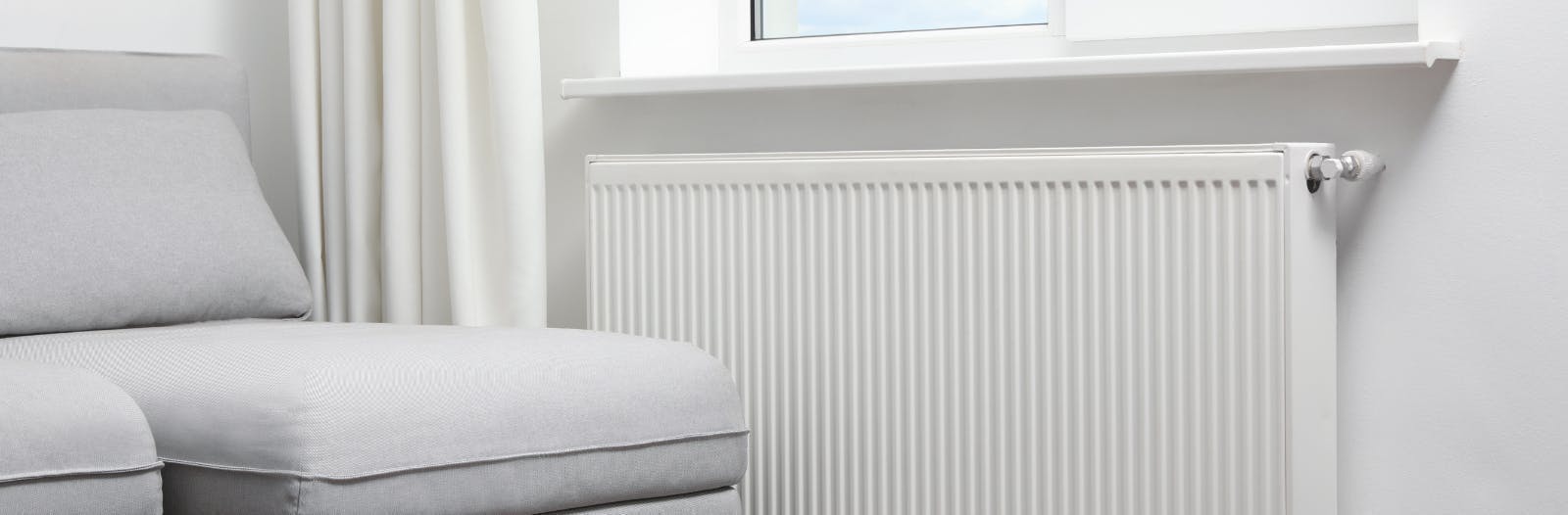
When your boiler suddenly refuses to ignite, it can leave your home without heating or hot water right when you need it most. This issue is more common than you might think, especially during the colder months when your boiler is working its hardest. While it can be frustrating, understanding what’s causing the problem and how to handle it safely can help you get things back on track quickly. In most cases, a simple check or reset can fix it, but sometimes, you’ll need professional help to restore your system.
Understanding Why Boilers Fail to Ignite
When your boiler fails to ignite, it’s essentially preventing gas from burning inside the unit. This can be caused by several factors, from low gas pressure and blocked condensate pipes to ignition faults or internal lockouts. Many modern boilers are designed to shut down automatically if something’s wrong, protecting your home from unsafe conditions.
Before calling in a professional, there are a few steps you can safely take to identify what might be happening.
Check the Gas Supply and Boiler Pressure
A common reason for ignition failure is an interruption to the gas supply. Start by checking whether other gas appliances in your home, such as your hob or oven, are working correctly. If they’re not, there may be a wider gas supply issue that needs to be reported to your supplier.
Next, take a look at your boiler’s pressure gauge. Most boilers operate best between 1 and 1.5 bar. If the pressure is below this range, it could stop your boiler from igniting. You can usually repressurise the system using the filling loop underneath your boiler, but if the pressure keeps dropping, it might be a sign of a leak or faulty component that requires professional attention.
Inspect the Pilot Light or Flame Sensor
Older boilers rely on a pilot light to ignite the gas. If the pilot light has gone out, it might be due to a draught, a build-up of debris, or a faulty thermocouple. Try relighting it by following the manufacturer’s instructions carefully.
Modern boilers, on the other hand, use electronic flame sensors to detect ignition. If this sensor becomes dirty or fails, the boiler may incorrectly register that there’s no flame and shut down. Cleaning or replacing this part should only be done by a qualified heating engineer to ensure safety.
Look Out for a Frozen Condensate Pipe
During cold weather, one of the most common causes of ignition failure is a frozen condensate pipe. This small plastic pipe carries waste water away from your boiler, and if it freezes, the blockage will cause your boiler to shut off automatically.
You can safely thaw it by pouring warm (not boiling) water over the pipe, starting from the end nearest the ground. Once clear, reset your boiler to see if it reignites. To prevent future freezing, consider insulating the pipe or having it re-routed by a heating professional.
Check for Fault Codes and Boiler Lockouts
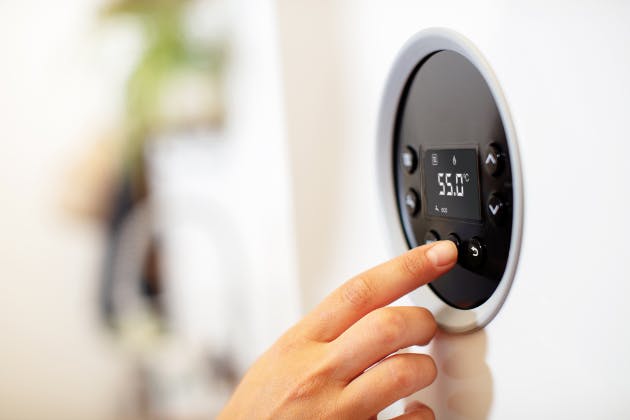
Modern boilers have built-in diagnostics that display fault codes when something’s wrong. These codes are often shown on the display screen and can tell you whether the issue relates to ignition, gas pressure, or internal sensors.
You can refer to your boiler manual to see what the code means. However, while resetting your boiler might temporarily clear the code, repeated lockouts usually signal an underlying problem that should be checked by a Gas Safe registered engineer.
Electrical or Ignition Component Issues
Sometimes, the cause lies within the ignition system itself. Faulty ignition leads, worn-out electrodes, or damaged wiring can prevent your boiler from sparking. These parts naturally wear over time and need replacing during routine servicing. Regular maintenance by professional heating engineers ensures these components stay in top condition, helping prevent unexpected ignition problems.
When to Call a Heating Engineer
If your boiler still won’t ignite after basic checks, it’s time to call in the experts. Gas appliances can be dangerous to work on without the proper training and certification. A qualified heating engineer in Bedford can run diagnostic tests, safely inspect the ignition system, and repair or replace any faulty parts.
Attempting DIY fixes beyond simple resets or pressure checks can put your safety at risk and may void your boiler warranty. With professional help, you’ll ensure your system is restored safely, efficiently, and in line with UK gas safety standards.
Preventing Boiler Ignition Problems in the Future
The best way to avoid ignition failures is to have your boiler serviced regularly. During a service, engineers will clean vital components, check the ignition system, and test gas flow and pressure. This keeps your boiler running efficiently and helps spot small issues before they lead to a breakdown.
You can also:
- Keep your boiler area well-ventilated.
- Insulate outdoor condensate pipes to prevent freezing.
- Check boiler pressure monthly.
- Avoid blocking air vents or flues.
Regular attention and servicing not only prevent ignition issues but also extend the lifespan of your heating system and reduce energy bills.
Professional Boiler Repairs in Bedford
If your boiler won’t ignite or keeps shutting down, don’t wait for the issue to worsen. Fixbot Ltd offers trusted boiler repairs in Bedford carried out by experienced, Gas Safe registered engineers. Whether it’s a frozen pipe, faulty ignition, or pressure issue, our team will quickly diagnose and fix the problem to restore warmth to your home.
For dependable service from skilled heating engineers in Bedford, call Fixbot Ltd today or fill out our online contact form to book a repair or annual service appointment.